International Circuit
Study reveals HIV infections could surge 10% in 18 US states if funding ends
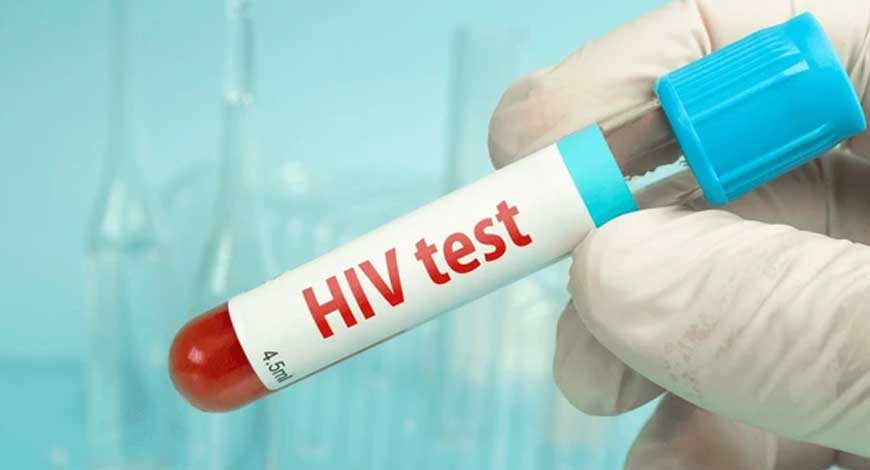
If the US Centers for Disease Control and Prevention (CDC) were to reduce or eliminate funding for HIV testing at local health departments, cases would rise substantially, particularly in states with more rural HIV epidemics, according to a new study co-authored by researchers at Harvard T.H. Chan School of Public Health and Johns Hopkins University.

The study was published Feb. 4 in Clinical Infectious Diseases. Ruchita Balasubramanian, a PhD student in population health sciences, was a co-corresponding author. Bill Hanage, professor of epidemiology, was also a co-author.
The federal government has proposed cutting $1.5 billion from annual funding for local health departments and community organizations to provide HIV testing. The researchers created a model to project how such a cut would impact the number of HIV infections in the US, using data from 18 states.
The study found that these 18 states would see 12,751 more HIV infections over the next five years if the CDC cuts funding for testing—a 10% increase from current levels. By 2035, if funding isn’t restored, infections would reach 33,691—a 15% increase.
The increases varied across states, depending on how much health departments and community organizations rely on CDC funding for testing. In Washington, for example, HIV cases would rise by 2.7%; in Louisiana, cases would rise by nearly 30%. The increases were highest in states where HIV rates were more concentrated in rural areas.
The study also found that if the CDC reduces funding, rather than cutting it entirely, HIV cases would still rise by the thousands.
“These findings demonstrate the importance of maintaining CDC-funded testing activities in curbing the domestic spread of HIV,” the researchers wrote. Harvard T.H. Chan School of Public Health