MB Stories
Microbiology evolves – A new era of discovery
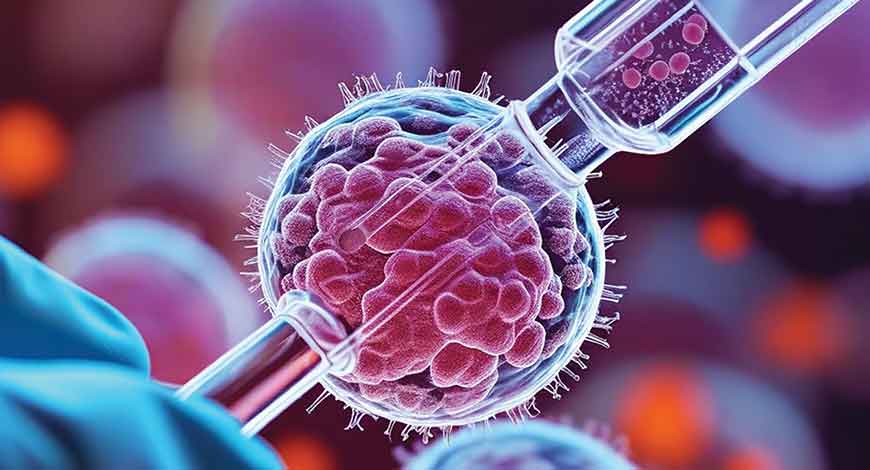
The future of microbiology resides at the crossroads of biology, informatics, and engineering, where the fusion of disciplines paves the way for groundbreaking innovations.

Microbes are the unsung heroes of our planet, driving essential processes that sustain life as we know it. From breaking down organic matter to enabling advanced technologies, microorganisms influence virtually every aspect of our existence. While invisible to the naked eye, their impact shapes ecosystems, industries, and even our health. Microbiology has never been more exciting or important than it is today. Powerful new technologies–including novel imaging techniques, genomics, proteomics, nanotechnology, rapid DNA sequencing, and massive computational capabilities–have converged to allow scientists to delve into inquiries once thought unapproachable.
The landscape of microbiology is undergoing a profound transformation, driven by cutting-edge imaging and visualization techniques that allow scientists to study bacteria at an unprecedented resolution. Bacterial heterogeneity–the diversity in behaviour, gene expression, and physiology among individual cells within a population–plays a crucial role in microbial survival, virulence, and antibiotic resistance. Traditional population-averaging methods often masked these differences, limiting our ability to understand and combat complex bacterial infections. High-resolution imaging technologies have overcome these limitations today, enabling detailed, real-time observation of individual bacterial cells, even within their native environments.
Among the most significant advances are fluorescence imaging, label-free optical imaging, and multiplexed error-robust fluorescence in situ hybridization (MERFISH). When coupled with expansion microscopy–a method that physically enlarges tiny bacterial cells by embedding them in a swellable hydrogel–researchers can now visualize and profile gene activity at the single-cell level. These tools have revealed how spatial positioning influences bacterial behaviour, showing that even genetically identical bacteria can behave differently depending on their location, such as in different colon regions.
Beyond fluorescence, label-free imaging techniques provide an additional layer of insight by capturing endogenous optical signatures of bacterial metabolism and structure without the need for dyes or probes. These methods reduce signal interference and variability, making them particularly well-suited for integration with deep learning algorithms. With consistent, high-quality data, deep learning models can now analyse bacterial morphology and behaviour with remarkable precision, supporting rapid diagnostics and antibiotic susceptibility testing (AST). Despite their promise, challenges remain in interpreting neural network decisions and scaling these tools for clinical use–issues now being addressed through advances in explainable AI and call for public data-sharing platforms.
Automating the bench
Total laboratory automation (TLA) transforms microbiology laboratories by streamlining the entire diagnostic workflow–from sample inoculation to result interpretation–significantly improving efficiency, accuracy, and turnaround time. While automation has long been established in clinical chemistry, its integration into microbiology is gaining momentum, especially in the wake of rising diagnostic demands during global health crises like the Covid-19 pandemic. TLA reduces manual errors, enhances standardization, and enables timely treatment decisions by accelerating culture-based testing.
Cutting-edge technologies such as U-Net models combined with DenseNet backbones have shown high precision in automated colony detection, offering pixel-level accuracy and rapid mask prediction times without needing image pre-processing. These AI-powered solutions play a crucial role in minimizing bottlenecks in routine microbial analysis. They are particularly valuable for small and mid-sized labs striving to keep up with pandemic-driven testing surges. As clinical microbiology embraces automation, it stands on the brink of a new era marked by enhanced diagnostic capability and readiness for future public health challenges.
Greener labs
Microbiology laboratories are increasingly adopting eco-conscious innovations to minimize their environmental footprint. Modern lab designs now incorporate energy-efficient instruments that optimize power usage without compromising performance. Sustainable reagents formulated from plant-based or biodegradable sources are replacing conventional chemicals, reducing the reliance on animal-derived components and hazardous substances. Efforts to cut down on waste include transitioning to reusable labware, integrating recycled materials into consumables, and implementing protocols that significantly reduce the use of disposables like petri dishes and pipette tips. Water and energy conservation strategies–such as adjusting freezer temperatures, turning off idle equipment, and using only full loads in autoclaves–are becoming standard practice.
By embracing these green solutions, microbiology labs align with global sustainability goals and set new standards for responsible scientific research.
Speedy detection
Recent breakthroughs in microbial detection technologies are ushering in a new era of rapid, precise, and application-specific pathogen identification. Among the most notable innovations are customizable nanoparticles and advancements in metagenomics, which are revolutionizing detection workflows in clinical diagnostics and aquaculture health management.
Customizable nanoparticles, engineered for targeted pathogen binding, offer high sensitivity and specificity, enabling the detection of even low-abundance microorganisms in complex biological samples. These smart particles can be functionalized with ligands, antibodies, or aptamers, allowing tailored responses to distinct microbial signatures. This is especially beneficial in time-critical clinical scenarios and for safeguarding aquatic livestock against infectious outbreaks.
Simultaneously, metagenomics has transformed the ability to analyse entire microbial communities without the need for culturing, drastically reducing time-to-result and unveiling previously undetectable or unculturable organisms.
The integration of these technologies is leading to faster diagnoses, more accurate disease surveillance, and proactive infection control–supporting better patient outcomes in hospitals and improving sustainability in aquaculture ecosystems. Customizable nanoparticles and metagenomics are setting new benchmarks for next-generation microbial detection systems.
Molecular power
Molecular microbiology has rapidly evolved into a cornerstone of modern diagnostics, driven by integrating powerful genomic tools and unified molecular approaches. At the heart of this transformation lies the shift from traditional culture-based techniques to DNA-based identification methods, which offer unmatched speed, sensitivity, and specificity.
Techniques such as polymerase chain reaction (PCR), quantitative PCR, and next-generation sequencing (NGS) have enabled precise identification of pathogens at the species or even strain level, often within hours. This is crucial in clinical settings, where timely diagnosis can dictate therapeutic outcomes.
Emerging trends now focus on resistance profiling, where molecular assays quickly detect antimicrobial resistance (AMR) genes, enabling targeted treatments and better stewardship. Whole genome sequencing (WGS) and metagenomics are transforming microbiome analysis, revealing microbial dynamics, novel pathogens, and patterns of evolution and transmission.
Unified molecular diagnostics are streamlining workflows by integrating multiple assays into single, multiplex platforms. Combining molecular biology with bioinformatics, these tools enable high-throughput, rapid, and actionable results. As they become more accessible, molecular microbiology is set to drive the next wave of precision diagnostics, personalized care, and global pathogen surveillance.
Reagent revival
India’s diagnostic microbiology reagents market is witnessing steady growth, driven by the rising burden of infectious diseases, expanding diagnostic infrastructure, and increasing awareness about early disease detection. Product innovations like rapid culture media, chromogenic substrates, and ready-to-use reagent kits improve turnaround times and lab efficiency. The growth of hospital-based laboratories, public health initiatives, and an expanding network of private diagnostic chains further fuel demand.
On the development front, manufacturers prioritize quality and affordability to cater to a price-sensitive yet quality-conscious market. Regulatory trends, including stricter CDSCO norms and increased alignment with global standards, are shaping reagent manufacturing practices–pushing for greater consistency, traceability, and clinical reliability.
Future fusion
The seamless integration of advanced equipment, intelligent reagents, and cross-disciplinary collaboration is shaping the future of microbiology. As the field converges with informatics and engineering, modern microbiology labs are becoming hubs of automation, high-throughput analysis, and digital precision. From smart incubators to AI-enhanced identification systems and data-rich reagent platforms, the need for professionals who can navigate both biology and technology is growing rapidly. Preparing the next generation of microbiologists now involves training in data interpretation, systems integration, and collaborative innovation. This shift is not only optimizing lab workflows but also driving breakthroughs in diagnostics, infection control, and global health preparedness.