Trends
Why doctors face growing legal risks in AI era
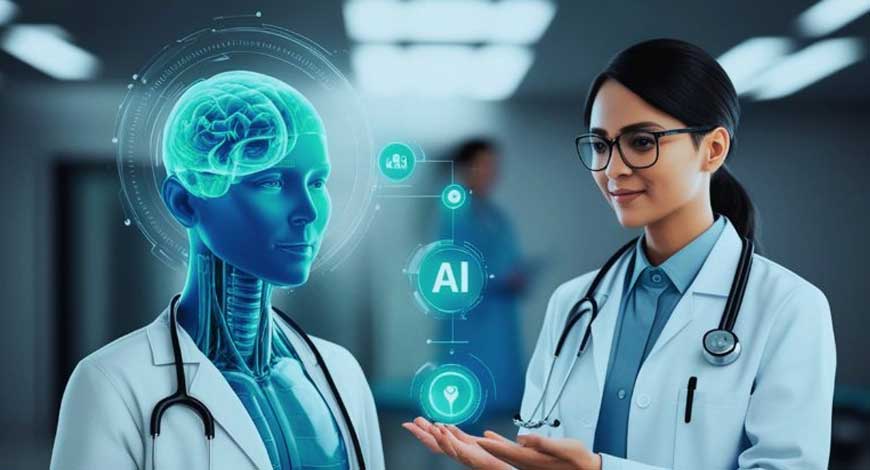
Doctors could face increasing legal exposure as the use of artificial intelligence (AI) in healthcare expands faster than existing laws can adapt. The Medical Protection Society (MPS) has warned that a significant gap is emerging between current legislation and the realities of AI-assisted clinical decision-making.

According to a report published in The BMJ, the MPS believes that doctors and the NHS currently bear the majority of legal responsibility for AI-related decisions, while AI developers and suppliers remain largely protected from liability.
Clinicians caught between AI recommendations and legal accountability
Under the existing legal framework, doctors may be held fully responsible if they follow an AI-generated recommendation that later proves incorrect. However, they may also face negligence claims if they choose to disregard an AI recommendation and an adverse outcome occurs.
As a result, clinicians find themselves in a difficult position, where both accepting and rejecting AI advice can carry significant legal risks.
Lack of clear product liability for AI systems
The MPS report highlights another major concern: AI systems are not clearly classified as “products” under current legislation. Consequently, manufacturers and suppliers may avoid the legal consequences that typically apply when defective products cause harm.
The organisation argues that the law has historically struggled to keep pace with technological advances. However, the rapid evolution of AI has widened this gap considerably. Therefore, when harm results from a defective AI system, algorithm, or product, responsibility should not fall solely on healthcare professionals.
Instead, clinicians should receive the same legal clarity and protection that exists when faulty medical equipment contributes to patient harm.
Calls for reform and shared accountability
To address these concerns, the MPS has urged policymakers to modernise clinical negligence laws, product liability rules, and regulatory frameworks. The organisation believes that accountability should be shared fairly among developers, manufacturers, suppliers, and healthcare providers when defects in AI tools lead to demonstrable harm.
Furthermore, the MPS has called on the government to introduce legislation that formally classifies AI systems as products subject to strict liability. It recommends drawing inspiration from the European Union’s revised Product Liability Directive while adapting the framework to suit the UK healthcare system.
Impact on patients and the NHS
Sarah Townley, Deputy Medical Director at the MPS, stressed that existing legislation, including the Consumer Protection Act 1987, was never designed to regulate AI technologies. Consequently, many AI systems fall outside the scope of traditional product liability laws.
Townley explained that this legal gap makes it difficult for patients to pursue product liability claims against AI developers, manufacturers, or suppliers when harm occurs. As a result, patients often rely on clinical negligence claims instead, placing greater financial pressure on the NHS and ultimately on taxpayers.
Building trust in healthcare AI
According to Townley, distributing liability more fairly across all stakeholders would provide stronger protection for doctors and healthcare organisations. In addition, it would help build public trust in AI technologies and encourage wider adoption across the healthcare sector.
She argued that if the government intends to position the NHS as a global leader in healthcare AI, it must address these legal and regulatory challenges without delay.
Regulatory developments underway
Recognising the growing importance of AI governance, the UK’s Medicines and Healthcare Products Regulatory Agency (MHRA) launched the National Commission into the Regulation of AI in Healthcare last year. The commission is expected to provide recommendations on the regulation of AI tools used in clinical settings, with a new regulatory framework anticipated later this year. The Indian Practitioner