MB's Take
Pre-Budget recommendations

As the industry awaits the presentation of the Union Budget 2026–27 by Finance Minister Nirmala Sitharaman on February 1, 2026, leading business chambers and sectoral associations are actively submitting their pre‑Budget wish lists to North Block, seeking policy measures and fiscal incentives to spur growth and investment.

From tax rationalisation and investment incentives to targeted support for MSMEs, infrastructure, and green transition, these submissions seek to influence the Centre’s fiscal roadmap for the coming year.
Some of the key recommendations emerging from industry bodies.
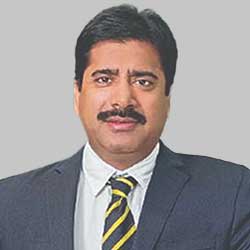 Sanjay Bhutani, Director, Medical Technology Association of India (MTaI)
A larger and clearly protected allocation within the health budget should be directed toward strengthening primary care and diagnostic capacity, particularly in Tier-II, Tier-III and rural geographies. Investment in preventive services, point-of-care diagnostics and integrated referral systems delivers high economic returns by reducing avoidable hospitalisation and long-term care costs.
Public spending should prioritise interoperable digital health records and remote monitoring frameworks to improve continuity of care, data-driven decision-making and system efficiency. As India enters a phase of gradual population ageing, timely investment in health infrastructure, skilled human resources and delivery systems is critical to mitigate future fiscal and social risks.
 Rajiv Nath, Forum Coordinator, Association of Indian Medical Devices (AiMeD)
As we step into 2026, the focus must shift decisively toward consistent policy execution and deeper industry–government collaboration. Key steps include raising tariffs to 10–15 percent from the current 7.5 percent to support domestic manufacturing, adopting quality‑based criteria in public procurement with preference for ICMED certification over foreign approvals, updating labelling norms to disclose domestic content percentages, and incentivising suppliers with over 50 percent local value addition. These reforms, coupled with measures to enhance global competitiveness, can help India translate its capability, capacity, and credibility into lasting outcomes–positioning our nation as a leading global MedTech hub.
 Shobana Kamineni, Promoter Director of Apollo Hospitals Enterprise Ltd. and Executive Chairperson of Apollo Healthco
A Viksit Bharat will be built on a healthy youth and workforce–nearly one billion strong by 2047. A prevention-first healthcare system, powered by mandatory check-ups, digitised records, and UPI-style data portability, can unlock early risk detection, personalised care, and long-term productivity at scale. As India led the world in digital payments, preventive healthcare can be our next global export.
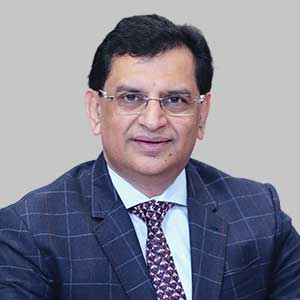 Himanshu Baid, MD Poly Medicure & CoA Member EPCMD
“We need to increase expenditure on health care, which is a bigger problem that the whole country is facing…I want to propose to the government that our health expenditure should go to 2.5% of GDP… Secondly, at least in tier 3 and 4 cities, we need better healthcare infrastructure, so incentives should be provided to enterprises that want to set up hospitals in those cities… There is also GST inversion, especially in the MedTech sector… I am grateful to the Government of India for reducing the GST on medical equipment and devices to 5%.”
“Our final duty is only 5%, so we have an inverted structure… Some special export incentives should be given, because India’s exports are still lagging; we have a still healthy foreign exchange, but I think our exports are still far behind China or maybe other developing countries, so a small support on export incentives is also important to make India resilient.”
 Koji-Wada, Managing Director, FUJIFILM India
As India looks ahead to Budget 2026–27, sustained policy continuity and long-term visibility will be important enablers for companies that are committed to building enduring capabilities in the country. Continued emphasis on high-quality manufacturing, technology-led innovation, and skills development can help strengthen India’s industrial depth while supporting stable and inclusive economic growth. Thus, initiatives and budget allocation that support this agenda will be welcomed.
Within this broader landscape, healthcare and medical technology are becoming increasingly central to the country’s development agenda. Investments that encourage innovation in diagnostics, medical imaging, and medical devices can significantly improve system efficiency, enable earlier detection, and support better patient outcomes. Creating stronger linkages between industry, academia, and healthcare institutions will be key to ensuring that innovation translates into scalable, real-world impact.
At the same time, the thoughtful integration of artificial intelligence across healthcare and manufacturing presents an opportunity to enhance precision, productivity, and decision-making. Policy support for digital infrastructure, applied research, and responsible AI governance, alongside workforce readiness, can help ensure that these technologies are adopted in a way that is trusted, sustainable, and aligned with India’s long-term national priorities.
 Dr Anand K, Managing Director & CEO, Agilus Diagnostics Ltd.
As India approaches the 2026 Union Budget, diagnostics stands at the core of strengthening the nation’s healthcare backbone. Diagnostics informs nearly all clinical decision and policy choices have a direct bearing on patient outcomes, system efficiency and long-term costs Recent budgets have signaled intent with increased allocations–over ₹95,000 crore for health and ₹20,000 crore for research. The next step is targeted execution.
A key priority should be structural issues like the inverted duty regime, where importing finished diagnostic products is often cheaper than sourcing raw materials locally. This weakens domestic manufacturing and limits value creation within the country. More balanced tax structures supported by consistent R&D incentives can ease import dependence and make diagnostics more affordable. This must be done while maintaining quality and trust in the system.
As diagnostics increasingly adopt advanced technologies including AI-enabled tools, regulatory clarity and scientific validation will be critical to ensure safety and trust. At the same time, a patient centric approach must remain central. When diagnostics are accessible, accurate and locally produced, the benefits flow across the healthcare system A forward-looking budget can position diagnostics as a strategic pillar of preventive, affordable, and outcome-driven care in India.
 Rahul Guha, Managing Director and Chief Executive Officer, Thyrocare
India’s diagnostics sector has seen remarkable growth, supported by progressive government policies. As we look forward to the upcoming budget, we see outstanding opportunities to further strengthen this momentum.
Aligning employee health testing with labour guidelines could be a game-changer for preventive healthcare, benefiting both employers and employees while building a healthier workforce. We also believe that streamlining compliance frameworks across entities would enhance operational efficiency and allow diagnostic players to focus more on innovation and service quality.
Extending Production Linked Incentive schemes to domestic manufacturing of diagnostic essentials–reagents, needles, and vials–would further strengthen the government’s Make in India vision. For companies committed to local manufacturing, this support would alleviate import dependency and create a more self-reliant healthcare ecosystem. We remain optimistic that this budget will continue to prioritise healthcare infrastructure, enabling the sector to serve India’s growing healthcare needs more effectively.
 Dr GSK Velu, CMD, Trivitron Healthcare; CMD, Maxivision Eye Hospitals; and CMD, Neuberg Diagnostics
As we approach the Union Budget 2026–27, India stands at a crossroad where execution must take centre stage to manage our nation’s soaring Non-Communicable Disease (NCD) burden, which accounts for a mortality rate of ~65 percent. We urge the government to fulfil the long-standing industry recommendation of raising public health expenditure to over 2.5 percent of GDP to build a truly resilient and future-ready ecosystem.
Although the radical GST reform in 2025 that reduced taxes on diagnostic kits and medical devices to a mere 5 percent charge was a historic achievement for health equity, it is now imperative for the coming budget to correct the inverted duty structure, which has been pressurising domestic manufacturers. There is scope to review and harmonise certain GST rates, like Radiation Protection Apparels being charged at 18 percent – the same should be brought under 5 percent GST rate for consistency. I strongly recommend aligning the GST bracket to eliminate the inverted duty structure. Such alignment would reduce operational inefficiencies, streamline compliance, and ensure that the cost savings are passed on to consumers.
We must now ensure self-sufficiency and reduce our massive import dependency of 80 percent on imported devices by adopting ‘Buy India’ initiatives or boosts in research incentives like the PRIP scheme, to migrate from volume in manufacturing to depth in R&D. At the same time, reduced import duties and GST on essential ophthalmic equipment, will give a boost to preventive eye health, supported by intensive screening programmes and public-private partnerships.
The budget should provide targeted fiscal support for primary and secondary infrastructure in Tier-II and Tier-III cities. In order to make affordable healthcare care accessible across Tier-II, Tier-III, and rural India, the budget should incentivise setting up of diagnostic hubs and comprehensive eye hospitals in these underserved regions through priority sector lending and enhanced Gap Viability Funding.
By incentivizing the integration of ‘Actionable AI’ and genomic triage into routine diagnostics, the government can help us transition from a reactive service model to a proactive, preventive healthcare system. Only by combining high-end technology with local manufacturing and strategic infrastructure spending can we ensure that world-class quality healthcare reaches the most remote corners of the country.
 Dr Seema Pai, President, Indian Society for Clinical Research
As we get closer to the Union Budget 2026, we have a strong opportunity to strengthen the clinical research ecosystem of India by increasing investment in academic research, infrastructure, and skill development. Major support for AI-enabled clinical trial data collection and analysis, digital health tool use and collaboration between academia and industry can help in speeding evidence-based healthcare and enable the industry to achieve the target of reaching USD 120-130 billion by 2030 and ultimately USD 450 billion by 2047.
Streamlining regulations and incentives for research-led innovation, operational ease of import for technology used in these clinical trials will strengthen India’s position as a trusted global hub for high-quality, ethical clinical research, while ultimately improving patient outcomes. A key pillar of research is a focus on public-private partnerships among academic institutions, policymakers, and patients. This collaboration should aim to ensure evidence-based data generation, leveraging technology and maintaining a strong emphasis on quality.
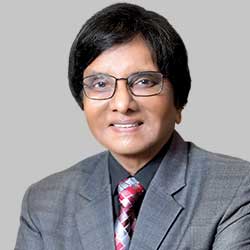 Dr (Prof) Purshotam Lal, Chairman, Metro Group of Hospitals
We would be expecting the widening of Ayushman Bharat- Pradhan Mantri Jan Arogya Yojna (PMJAY). Given the alarming rise of non-communicable diseases like diabetes, hypertension, cardiovascular problems and cancers – especially in young people, India needs a health insurance model that prioritizes preventive healthcare over procedures. The Indian healthcare sector’s growth is commendable, and it has benefited from dedicated policy and regulatory support from the government. To achieve the vision of a healthy India, further policy and regulatory push would be required.
 Dr Sharan Shivaraj Patil, Chairman, SPARSH Group of Hospitals
Recognising the need to strengthen Universal Health Coverage, the healthcare sector expects the Union Budget 2026 to lay out a clear roadmap for long-term healthcare infrastructure financing, expansion of medical and nursing education, and targeted incentives for providers in Tier-II and Tier-III cities. There is also strong expectation around focused investments in digital health infrastructure, AI-driven healthcare solutions, and health-tech innovation to improve access, efficiency, and quality of care across the country.
The hospital sector, which constitutes nearly 80 percent of India’s healthcare delivery ecosystem, is seeking a booster dose through specific structural and fiscal reforms. Key expectations include deeper healthcare insurance penetration, a strong push to medical tourism, rationalisation of import duties on medical equipment, and price rationalisation to improve affordability. Equally important is policy support for AI-enabled diagnostics, digital health platforms, and capacity building through medical education expansion. There is also a strong expectation that the upcoming budget will encourage long-term private investment in healthcare infrastructure through stable policy frameworks and targeted incentives, enabling hospitals to expand responsibly while maintaining quality and accessibility.
 Vipul Jain, CEO, CK Birla Hospitals
As the Union Budget approaches, the healthcare sector will be looking closely at how policy continues to support the growing demand for consistent, high-quality and technology-enabled care. A balanced approach that reinforces healthcare infrastructure, technology adoption and supply-side resilience will be critical to strengthening the overall healthcare ecosystem in the years ahead.
One of the critical areas to watch will be policy support for domestic manufacturing of advanced medical equipment. Today, a significant share of cutting-edge technology used in hospitals, from imaging systems to surgical platforms, continues to be imported from Western markets and China, even as clinical demand for these technologies is growing rapidly. If similar equipment were manufactured at scale in India, costs could eventually be materially lower, much like what the automotive sector has demonstrated with domestic production of high-end vehicles. Beyond cost, local manufacturing would also strengthen supply reliability, enhance service support, and enable long-term technology adoption across hospitals.
Further policy incentives to accelerate domestic manufacturing would help build a more resilient medical technology ecosystem, while enabling wider and more affordable access to high-quality care over time.
 Dr Ashish Joshi, Director, Co-founder and Medical Oncologist, M|O|C Cancer Care and Research Centre
The upcoming Budget must prioritise healthcare policy reforms that streamline drug approvals and strengthen India’s clinical research ecosystem. Focused incentives for R&D, global clinical trials, and indigenous innovation will be critical in advancing cancer treatment and positioning India as a global healthcare destination. Equally, enhanced public investment in preventive oncology, particularly cancer screening, vaccination, and early detection, will be essential to reduce the long-term cancer burden and improve patient outcomes across the country.
 Abhishek Kapoor, CEO, Regency Hospital, Ltd
We are expecting more public funding for the sector. Union Budget 2025–26 allocated ₹95957.87 crore for healthcare. With marginal increase from the previous year, we are still below 2 percent whereas the target was by 2.5 percent of GDP. We hope that allocations will go beyond 2 percent with more focused structural reforms. We expect enhanced budgetary provisions would support capacity building by strengthening district hospitals, Tier-II and III cities, and rural healthcare infrastructure. Equally important is a sharper focus on preventive healthcare–through early screening, diagnostics, and community-based wellness programs–which can significantly reduce long-term treatment costs, lower disease burden, and ease pressure on both public and private healthcare infrastructure. While the recent GST exemption on health insurance has supported wider coverage, India still spends nearly 45–50 percent of its total health expenditure out-of-pocket, among the highest globally. National goals of increasing household insurance coverage to 50 percent by 2030 and 100 percent by 2047 needs more structural reforms.
It is also expected that the government would give a strong policy push towards Public–Private Partnership models. Leveraging private-sector expertise in manpower training, specialist deployment, and technology-led secondary care can reduce pressure on tertiary hospitals, improve outcomes locally, and make quality healthcare more affordable and equitable.
 Dr Alok Khullar, Group CEO, RJ Corp Healthcare
While India has made notable strides in increasing healthcare allocations in recent years, overall public health spending continues to lag behind global benchmarks and does not yet reflect the country’s GDP growth trajectory. The forthcoming Union Budget presents a vital opportunity to address this gap through sustained investments in healthcare infrastructure, medical research, clinical trials, workforce development, disease surveillance, and preventive care. As non-communicable and lifestyle-related diseases emerge as the leading causes of mortality, policy interventions must shift from a treatment-centric approach to one focused on prevention, early diagnosis, and long-term health management, with regenerative medicine and cellular therapies offering transformative potential for chronic, degenerative, and age-related conditions. Enhanced incentives for healthcare research, domestic manufacturing of medical devices and advanced therapies, along with accelerated technology adoption, are essential to positioning India as a global hub for healthcare excellence.
 Dr Sanjeev Gupta, Medical Director, Sri Balaji Action Medical Institute and Action Cancer Hospital
Beyond import duties, hospitals continue to face pricing pressures and delayed reimbursements under government schemes such as CGHS and ECHS, affecting operational sustainability. Timely settlement of dues and clearer pricing frameworks are essential to maintain quality healthcare delivery. Rational pricing and timely reimbursements are critical for hospitals to consistently provide high-quality care. In an era of rapid innovation, including robotic-assisted surgeries and advanced therapeutics, several government schemes have limited coverage for such procedures, along with capping on certain critical drugs. Periodic review of package rates is therefore essential to keep policies aligned with evolving clinical practices. The government’s proactive approach is encouraging. As we approach the Union Budget, we look forward to balanced and forward-looking measures that strengthen the healthcare sector while ensuring affordable and quality care for all.
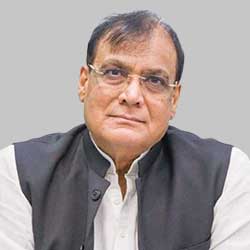 Dr VS Chauhan, Chairman & Managing Director, Prakash Hospital, Noida
As healthcare demand shifts beyond metros, Union Budget 2026 must focus on enabling hospital-led growth through affordable capital access, faster clearances, and realistic reimbursement structures. Delays in payments under government schemes restrict reinvestment and slow capacity creation. Targeted incentives for infrastructure development, workforce expansion, and digital health adoption can strengthen execution, improve efficiency, and ease cost pressures for both providers and patients.
Mid-size and secondary hospitals play a critical role in India’s healthcare delivery, yet policy support often remains skewed towards tertiary care. Union Budget 2026 should address this gap through higher healthcare allocation, GST rationalisation on medical inputs, and predictable reimbursement timelines under PMJAY. Clear frameworks for affordable financing, land access, and approvals will improve operational viability, support measured capacity expansion, and help contain rising patient costs amid persistent medical inflation.
 Dr Manika Khanna, IVF Specialist, Founder and CEO of Gaudium IVF
As the Union Budget 2026 approaches, India’s women’s healthcare ecosystem stands at a critical inflection point. Rising gynaecological, hormonal and maternal health challenges call for stronger policy emphasis on preventive diagnostics, early screening and continuum of care. Rationalising GST on essential medical consumables, expanding Section 80D to include preventive health screenings, and improving insurance coverage for outpatient care can significantly enhance affordability. Equally important is enabling healthcare expansion beyond metros through priority lending and targeted incentives for Tier II and Tier III cities. A Budget aligned to women centric healthcare and infrastructure reform can deliver lasting health and economic outcomes.
 Rajneesh Bhandari, Founder, NeuroEquilibrium
“India is rapidly emerging as a MedTech manufacturing hub, with exports exceeding US$4 billion and the MedTech sector projected to reach USD 50 billion by 2030. To accelerate this transformation into a true global exporter, the Budget must create ‘clinical evidence and validation grants’ – a dedicated corpus to finance multi-centre studies, real-world evidence, and health economic outcomes, so that India’s home-grown technologies prove their value on the world stage.”
 Dr Simon Thomas, Senior Director – Robotic Joint Replacements & Orthopaedics, Max Super Speciality Hospital, Shalimar Bagh
India’s healthcare is at a pivotal junction. On one hand, the country has outperformed in terms of capacity expansion, digital adoption, and catering to a huge aging population, irrespective of economic gaps. Additionally, we welcome the September 2025 GST removal on individual health insurance, thereby making robotic knee/hip replacements at Max Hospital more accessible for early-stage osteoarthritis patients aged below 35 years. We still need to address challenges that stem from workforce deficit, medical inflation, and infrastructure development.
“As the Union Budget 2026 approaches, the government should aim to prioritize decisive investments in advanced ortho technologies such as robotic joint replacements, AI-powered automation and workflow like predictive imaging, and specialist training, thereby reducing recovery times and expenses incurred on hospitals while embedding Max Healthcare’s promise of frontline, accessible care via ‘Heal in India.”
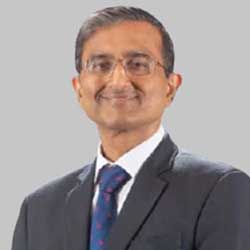 Gautam Khanna, CEO, P.D. Hinduja Hospital & Medical Research Centre, Mumbai
“The government has shown a strong commitment and invested in strengthening India’s healthcare system over the last few years. As we approach towards the union budget for FY 2026-27, there is an opportunity to further accelerate the progress by increasing government’s expenditure on health to 2.5-3% of the GDP. An increase allocation will help address infrastructure gaps, availability of skilled workplace and delivery of quality healthcare.
The budget should increase investment in strengthening the network of district hospitals and expanding secondary and tertiary healthcare facilities. Additionally, increasing investment in preventive and early diagnostic facilities in Tier 2, 3 and rural regions of the country will be critical to reducing healthcare disparities. Given India’s increasing geriatric population, the government should place a greater emphasis on geriatric care including chronic disease management, appropriate infrastructure to address the evolving needs of senior citizens.
In addition to higher public spending, the healthcare sector needs access to long term financing and simplified tax framework to enable scale and long-term sustainability. With access to long term and affordable credit can fuel necessary infrastructure expansion. Streamlining of the flagship Ayushman Bharat Scheme through broader procedure coverage, simpler hospital empanelment, and rationalised reimbursement timelines will unlock the scheme’s true potential. A holistic and effective strategy in the upcoming budget will help ensure the development of a robust, inclusive, and future-ready healthcare system.”
 Dr Sabine Kapasi, CEO at Enira Consulting Pvt Ltd, Founder of ROPAN Healthcare Private Limited and UN advisor
The Union Budget 2026 will show if healthcare is treated as a growth sector or only as a welfare expense. Hospitals are under pressure, patient demand is rising, and medical education and workforce capacity lag behind. Demand is rising, capacity is uneven, and global supply chains are unreliable. Small funding bumps will not alone fix this. The budget has to deliver scale, domestic capability, and technology-led delivery.
Expanding hospitals and medical colleges where demand is rising. Healthcare access mirrors India’s urban hierarchy. Tier-I cities get advanced care. Tier-II cities have the disease burden but not the institutional capacity. Budget 2026 has to fund hospital and medical college expansion across both tiers.
These institutions should anchor regional networks. They need to combine tertiary care, medical education, and specialist training. Linking medical colleges to district hospitals strengthens referral systems and provides practical clinical training. Nursing and allied health programs must grow alongside to fill ongoing workforce gaps. Capital spending should focus on projects with clear timelines, repeatable designs, and defined service obligations under public–private arrangements. Healthcare infrastructure creates jobs, drives regional development, and builds system resilience. The budget can use this as an economic tool.
PLI 2.0 and the shift from molecules to machines. India imports most of its medical devices and equipment. Imaging systems, critical care equipment, high-value diagnostics all come from overseas. Budget 2026 is expected to launch PLI 2.0, moving focus from pharma to medical technology.
Domestic pharma manufacturing is mature. Medical technology manufacturing isn’t. The redesigned PLI should back medical devices, diagnostics, and hospital equipment. Incentives should tie to R&D spending, component localisation, and actual product innovation.
This can’t just be about assembly. Incentives should reward companies that own designs, validate products clinically, and build export capacity. A domestic med-tech base cuts import dependence, brings down costs, and secures supply during crises. It also puts India in position to supply emerging markets.
Digital health and national AI capacity. Data drives modern healthcare. Patient management, diagnostics, and public health monitoring depend on connected systems and secure data sharing. Budget 2026 should support investments in national digital infrastructure and interoperable platforms to ensure hospitals and clinics can access and use information effectively.
Medical education has to catch up. Training doctors and healthcare workers on AI tools improves efficiency and cuts diagnostic variation. Funding AI-driven learning platforms, simulation tools, and faculty training gets the workforce ready.
India has the digital infrastructure. AI investment in healthcare will decide whether the country leads in scalable, cost-efficient delivery.
Affordable financing for healthcare expansion. Healthcare projects eat capital over long periods. Hospitals, diagnostics units, manufacturing facilities, research centers, all have extended gestation. Budget 2026 should set up a dedicated healthcare financing fund.
A health cess and structured CSR contributions can back this. The point is to lower capital costs for priority investments, especially in underserved regions and high-impact areas.
Blended finance models pull in private capital while keeping public control. Cheaper financing speeds up infrastructure creation, evens out regional inequity, and reduces reliance on short-term debt. It balances fiscal discipline with sector needs.
Restoring R&D incentives to drive innovation. Healthcare innovation needs consistent research funding. Pulling enhanced tax incentives slowed private R&D across pharma, biotech, and medical technology. Budget 2026 is expected to bring back the 200 percent weighted deduction for R&D spending.
This could free up capital for new drug development, advanced diagnostics, and homegrown medical devices. Healthcare innovation cycles are long and expensive. Tax incentives give companies predictability and room to take risks.
India wants to move up the healthcare value chain. That takes aligned policy. Bringing back R&D incentives strengthens domestic IP and global competitiveness.
AYUSH Integration and Preventive Screening. Healthcare policy has to match India’s demographic and disease patterns. Budget 2026 can back structured AYUSH integration to boost medical tourism and wellness services. Success depends on standardisation, clinical validation, and institutional support.
Preventive healthcare requires targeted investment. Nationwide screening for Breast Cancer and Sickle Cell Anemia detects cases early and lowers long-term treatment costs. These programs improve population health and workforce outcomes. Screening infrastructure, diagnostics, and follow-up care need steady, predictable funding. Investing in prevention reduces future treatment costs.
Budget 2026 will determine how healthcare priorities translate into spending. Choices on infrastructure, domestic manufacturing, digital systems, financing, and research will shape capacity over the next cycle. The policy direction is stated. The allocations will show whether execution follows.