Trends
Perfusion systems market to exceed USD 1.89B
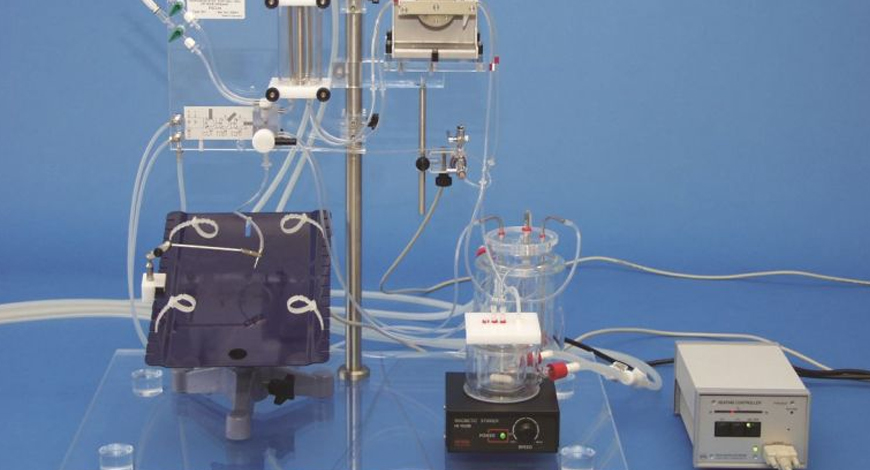
The perfusion systems market size was valued at USD 1.25 billion in 2025 and is projected to grow from USD 1.31 billion in 2026 to USD 1.89 billion by 2034, registering a CAGR of 4.72% during the forecast period (2026–2034). North America dominated the perfusion systems market with a market share of 39.48% in 2025.

Perfusion systems are specialized medical devices used to temporarily support or replace the functions of the heart, lungs, or other organs during complex surgical procedures and organ transplantation. They include heart-lung machines, oxygenators, perfusion pumps, cannulas, tubing sets, and monitoring systems that maintain blood circulation and oxygenation, ensuring patient stability throughout critical procedures.
The perfusion systems market demand is increasing due to the rising prevalence of cardiovascular diseases, growing cardiac surgeries, expanding organ transplantation procedures, and increasing adoption of extracorporeal membrane oxygenation. Technological advancements, improved healthcare infrastructure, and greater focus on patient safety are driving perfusion systems market growth.
Perfusion systems market trends
Adoption of regional perfusion networks for donor organ sharing
Perfusion systems are increasingly deployed within regional transplant networks, allowing donor organs to undergo machine perfusion at centralized preservation hubs before redistribution to recipient hospitals. This model extends preservation windows, improves logistics, and increases utilization of geographically distant donor organs. In 2025, the UK National Health Service expanded machine perfusion adoption across transplant centers to strengthen national organ sharing and preservation efficiency.
Integration of automated perfusion data capture into digital surgical records
The perfusion systems market trend is shifting toward interoperable digital platforms that automatically record blood flow, pressure, temperature, oxygenation, anticoagulation, and perfusion events throughout procedures. Instead of relying on manual documentation, hospitals are integrating perfusion datasets directly into electronic surgical records, enabling standardized clinical audits, procedure benchmarking, complication analysis, and long-term outcome optimization while reducing documentation burden for perfusionists and surgical teams.
Perfusion systems market investment and funding analysis
The perfusion systems market forecasts continued investment driven by the increasing adoption of organ preservation technologies, rising transplant volumes, and innovations in extracorporeal perfusion systems. Investors are focusing on companies developing next-generation normothermic machine perfusion platforms and advanced organ preservation technologies that improve transplant outcomes, extend organ viability, and support expansion into new clinical applications.
Perfusion systems market dynamics
Market drivers
Rising adoption of Donation-after-Circulatory-Death (DCD) organ transplantation and growing use of extracorporeal circulatory support drives market
The increasing use of donation-after-circulatory-death (DCD) organs is driving demand for advanced perfusion systems capable of preserving and assessing marginal donor organs before transplantation. According to the United Network for Organ Sharing (UNOS), more than 10,600 deceased-donor transplants in the US during 2025 involved DCD organs, highlighting growing dependence on machine perfusion technologies to expand donor utilization, improve transplant outcomes, and accelerate perfusion systems market growth.
The growing adoption of extracorporeal circulatory support during high-risk cardiovascular interventions is a major market driver as it is increasing demand for advanced perfusion systems with precise hemodynamic control and continuous physiological monitoring. Increasingly complex structural heart procedures, reoperative cardiac surgeries, and prolonged cardiopulmonary bypass cases require integrated perfusion technologies that maintain organ perfusion, minimize ischemic complications, improve intraoperative stability, and enhance postoperative recovery across specialized cardiac centers.
Market restraints
High cost of disposable perfusion consumables and shortage of certified clinical perfusionists restrain market expansion
Perfusion procedures require single-use oxygenators, tubing sets, cannulas, reservoirs, and filters that substantially increase procedural costs, particularly in resource-constrained healthcare settings. These consumables must meet stringent sterility and biocompatibility standards, limiting opportunities for reuse and cost reduction. The recurring expenditure on disposable components, combined with expensive perfusion equipment, restricts adoption among smaller hospitals and emerging healthcare facilities, thereby restraining market growth.
The operation of perfusion systems requires highly trained clinical perfusionists capable of managing complex cardiopulmonary bypass procedures and responding to intraoperative emergencies. Many countries continue to experience shortages of certified perfusion professionals, while training programs remain limited and time intensive. Workforce constraints reduce procedural capacity, delay technology adoption, and limit expansion of advanced cardiac and transplant services, ultimately restraining Perfusion Systems Market growth.
Market opportunities
Expansion of ex-vivo organ perfusion programs and development of portable ECMO & compact perfusion platforms offer growth opportunities to market players
The increasing establishment of dedicated ex-vivo organ perfusion programs is creating growth opportunity for perfusion system manufacturers. Healthcare providers are investing in advanced perfusion technologies to preserve, evaluate, and rehabilitate donor organs before transplantation, enabling greater utilization of marginal organs. This expanding clinical adoption is encouraging demand for portable perfusion platforms, specialized consumables, and integrated monitoring solutions across transplant centers worldwide.
The shift toward compact, transportable perfusion systems is creating new opportunities across emergency care, interhospital patient transport, and mobile cardiac support. Manufacturers are developing lightweight systems with integrated pumps, oxygenators, and digital monitoring to improve deployment outside conventional operating rooms. These innovations enable rapid extracorporeal circulatory support in critical care environments, expanding the application scope of perfusion technologies and supporting perfusion systems market growth.
Market challenges
Maintaining organ viability and standardization of perfusion data challenges market growth
Extending ex-vivo perfusion duration while preserving organ function remains a significant technical challenge. Precise regulation of temperature, oxygen delivery, metabolic waste removal, and nutrient balance is required to prevent cellular injury during prolonged preservation. Even minor deviations in perfusion parameters can compromise organ quality, limit broader clinical adoption, and challenge the expansion of advanced organ preservation technologies across transplant programs.
Hospitals increasingly operate perfusion systems, patient monitors, anesthesia workstations, and electronic medical records from different manufacturers, creating interoperability challenges. Variations in data formats, communication protocols, and software architectures hinder seamless information exchange and standardized clinical documentation. These integration barriers complicate performance benchmarking, multicenter research, workflow automation, and consistent clinical decision-making, limiting the efficient adoption of digitally connected perfusion ecosystems across healthcare facilities.
Perfusion systems market segmentation analysis
By component
Based on component, oxygenators accounted for a share of 25.61% in 2025 due to their mandatory use in every cardiopulmonary bypass procedure, recurring replacement after each surgery, and expanding utilization in ECMO therapies. These factors generate consistent procedural demand and recurring consumable revenues across hospitals.
The monitoring systems segment is expected to grow at a CAGR of around 6.17% during the forecast period, owing to increasing adoption of real-time perfusion analytics, automated data integration with electronic medical records, and demand for standardized intraoperative documentation. These capabilities improve clinical decision-making while enhancing procedural quality assurance.
By type
In 2025, cardiopulmonary perfusion systems accounted for a share of 42.76% in the perfusion systems market, by type. This is due to their indispensable role during open-heart surgeries, and compatibility with diverse cardiac procedures. Further, the widespread installation across tertiary cardiac centers also supports segment growth.
The cell perfusion system segment is expected to grow at a CAGR of 5.39% during the forecast period, driven by increasing biopharmaceutical manufacturing, continuous cell culture processes, and demand for high-yield biologics production. These systems enable stable cell viability and scalable therapeutic protein manufacturing efficiency.
By end user
Hospitals accounted for the largest end user share of 47.20% in 2025 due to high volumes of cardiac surgeries, availability of multidisciplinary surgical infrastructure, and comprehensive intensive care facilities supporting complex perfusion procedures. Their established procurement capabilities further strengthen equipment adoption across healthcare networks.
The organ transplant centers segment is expected to grow at a CAGR of around 5.82% during the forecast period, driven by increasing utilization of ex-vivo organ preservation technologies, expanding donation-after-circulatory-death transplantation, and rising investments in dedicated transplant infrastructure. These developments improve donor organ utilization and transplantation success rates. Straits Research