Headlines of The Day
Digital visas, specialized hospitals, skilled doctors push medical tourism in India
Healthcare travel is undergoing a major transformation, and India Medical Tourism 2026 is expected to be shaped by technology, improved patient services and expanding healthcare infrastructure. International patients are no longer choosing destinations based only on treatment affordability. They are increasingly looking for trusted hospitals, faster access, digital support and a complete healthcare experience from consultation to recovery.

India’s growing network of specialised hospitals, skilled medical professionals and government-backed healthcare initiatives is helping the country strengthen its position as a preferred destination for medical travellers. From artificial intelligence and virtual consultations to new healthcare centres outside major cities, several trends are expected to redefine how patients access treatment in 2026.
Digital healthcare is becoming central to medical travel
Technology is playing a bigger role in helping patients connect with healthcare providers before, during and after treatment.
The growth of AI in healthcare India is enabling hospitals to improve efficiency, support doctors and enhance patient communication. Artificial intelligence tools are increasingly being explored for areas such as medical data analysis, appointment management, patient monitoring and administrative support.
For international patients, these developments can make the healthcare journey smoother by reducing delays and improving access to information.
How AI can benefit patients:
While AI supports healthcare professionals, medical decisions continue to remain the responsibility of qualified doctors and specialists.
Area
Patient Benefit
Appointment management
Faster scheduling and better coordination
Medical data analysis
Improved support for doctors during diagnosis
Digital monitoring
Better tracking of recovery and health progress
Healthcare communication
Easier access to updates and information
Faster medical travel through improved visa services
Travelling abroad for treatment often involves complex documentation, but India has taken steps to simplify this process for international patients.
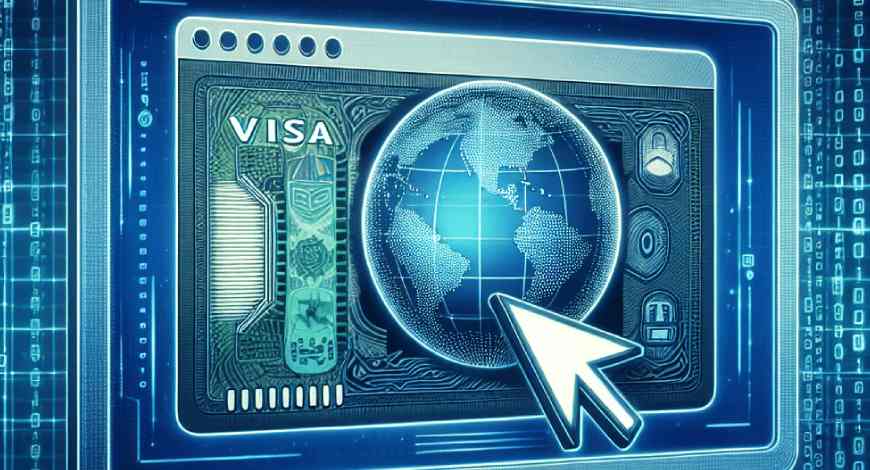
The e-Medical Visa India initiative helps eligible medical travellers apply digitally for treatment-related travel. This makes the process more convenient and reduces administrative challenges for patients and their attendants.
A smoother visa experience is especially important for individuals seeking urgent or specialised medical care, as it allows them to focus more on treatment planning rather than travel-related procedures.
Benefits of improved medical travel access:
- Reduced paperwork for eligible applicants.
- More efficient application processes.
- Better support for patients travelling with attendants.
- Easier coordination between patients and healthcare providers.
Medical tourism moves beyond major cities
One of the biggest shifts in healthcare travel is the rise of tier-2 healthcare hubs across India.
Traditionally, international patients have largely travelled to metropolitan cities for advanced treatments. However, several emerging cities are developing strong healthcare capabilities through improved hospitals, specialist services and better connectivity.
Cities such as Jaipur, Amritsar, Lucknow and Chandigarh are becoming important healthcare destinations, offering patients additional choices beyond major urban centres.
Emerging Healthcare Locations
Key Advantage
Jaipur
Growing medical infrastructure and specialist services
Amritsar
Improved healthcare access and regional connectivity
Lucknow
Expanding advanced treatment facilities
Chandigarh
Established healthcare ecosystem
The growth of these destinations can help reduce pressure on large metropolitan hospitals while providing patients with more accessible treatment options.
Virtual consultations are changing patient experiences
The expansion of telemedicine in India has changed how patients approach medical travel.
Patients can now connect with healthcare professionals remotely before deciding to travel. Virtual consultations allow doctors to review medical information, discuss possible treatment options and guide patients through the next steps.
Telemedicine is also becoming valuable after treatment, particularly for international patients who return home after procedures.
Telemedicine supports:
- Initial consultations before travel.
- Second medical opinions.
- Post-treatment follow-ups.
- Recovery monitoring.
- Continued communication with specialists.
For patients travelling from other countries, this creates a more connected healthcare experience and reduces unnecessary visits.
Hospital accreditation builds greater trust
Quality and safety are becoming increasingly important factors for medical travellers. Patients today want reassurance that they are receiving treatment from reliable healthcare institutions.
Many international patients prefer NABH accredited hospitals because accreditation reflects compliance with established healthcare quality and safety standards.
Hospital accreditation focuses on areas such as:
- Patient safety practices.
- Infection prevention measures.
- Clinical procedures.
- Healthcare staff training.
- Quality management systems.
As medical tourism becomes more competitive, recognised quality standards help hospitals build confidence among patients from different countries.
What these changes mean for patients
The evolution of medical tourism directly affects how international patients plan and experience healthcare journeys.
For patients, these developments mean:
- More treatment choices across different Indian cities.
- Easier access to doctors through digital consultations.
- Better information before travelling.
- Greater confidence in hospital quality.
- Improved follow-up care after returning home.
The focus is shifting from simply providing medical procedures to creating a complete patient experience that includes consultation, travel assistance, treatment coordination and recovery support.
Key trends shaping India medical tourism 2026
The healthcare travel sector is expected to grow around several major developments:
Trend
Impact On Medical Tourism
Artificial intelligence adoption
Improves healthcare efficiency and patient support
Digital visa services
Makes medical travel easier
Growth of regional healthcare centres
Expands treatment access beyond metros
Virtual healthcare platforms
Enables remote consultations and follow-ups
Hospital accreditation
Strengthens patient trust
Key takeaways
- India Medical Tourism 2026 will be driven by technology, accessibility and improved patient services.
- AI in healthcare India is helping healthcare providers improve efficiency and personalise patient experiences.
- The e-Medical Visa India system is making medical travel more convenient for eligible international patients.
- Growing tier-2 healthcare hubs are creating new destinations for specialised treatment.
- telemedicine in India is allowing patients to connect with doctors before and after treatment.
- Choosing NABH accredited hospitals can help patients identify healthcare providers that follow recognised quality standards.
The future of medical travel in India
With advancements in digital healthcare, stronger infrastructure and improved patient support systems, India Medical Tourism 2026 is set to become more technology-driven and patient-focused.
As healthcare providers continue adopting innovation and expanding services across the country, India is building a more accessible and trusted medical tourism ecosystem for patients worldwide. Travel And Tour World